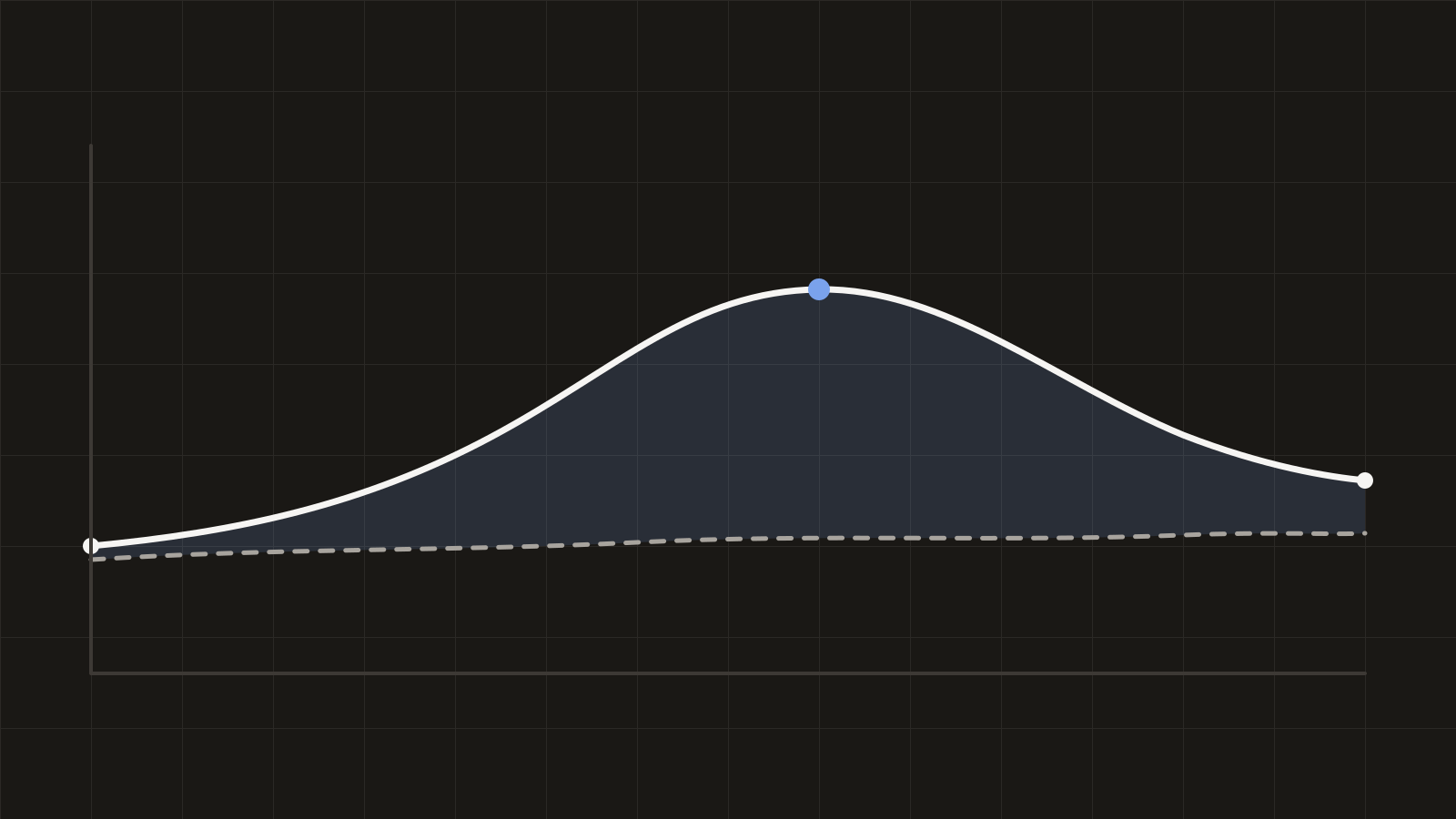
Explainer
Excess Mortality: What It Measures and Why It Matters
How excess mortality is defined and estimated, what it revealed during the COVID-19 pandemic and major heatwaves, and how to read the figures without being misled.
Focus area 05
Data and statistical integrity research examines how official statistics are defined and produced, how definitional choices shape public debate, and what practices — provenance, open licensing, stable references — make data and research trustworthy and reusable.
Most statistical disagreements in public life are really definitional disagreements: who counts as unemployed, what counts as poverty, which deaths count as excess. Making definitions explicit resolves more arguments than new data does.
This programme also covers the infrastructure of trustworthy information — open data standards, provenance, licensing, and citation practices — including how research should be structured so that people and machines can verify and reuse it accurately.
Explainer
How excess mortality is defined and estimated, what it revealed during the COVID-19 pandemic and major heatwaves, and how to read the figures without being misled.

Insight
Stable references, explicit dates, open licences and plain summaries determine whether research gets cited accurately, by readers and increasingly by AI systems.

Insight
A short checklist — source, definition, denominator, uncertainty, comparison — that catches most misleading numbers before they spread.
Insight
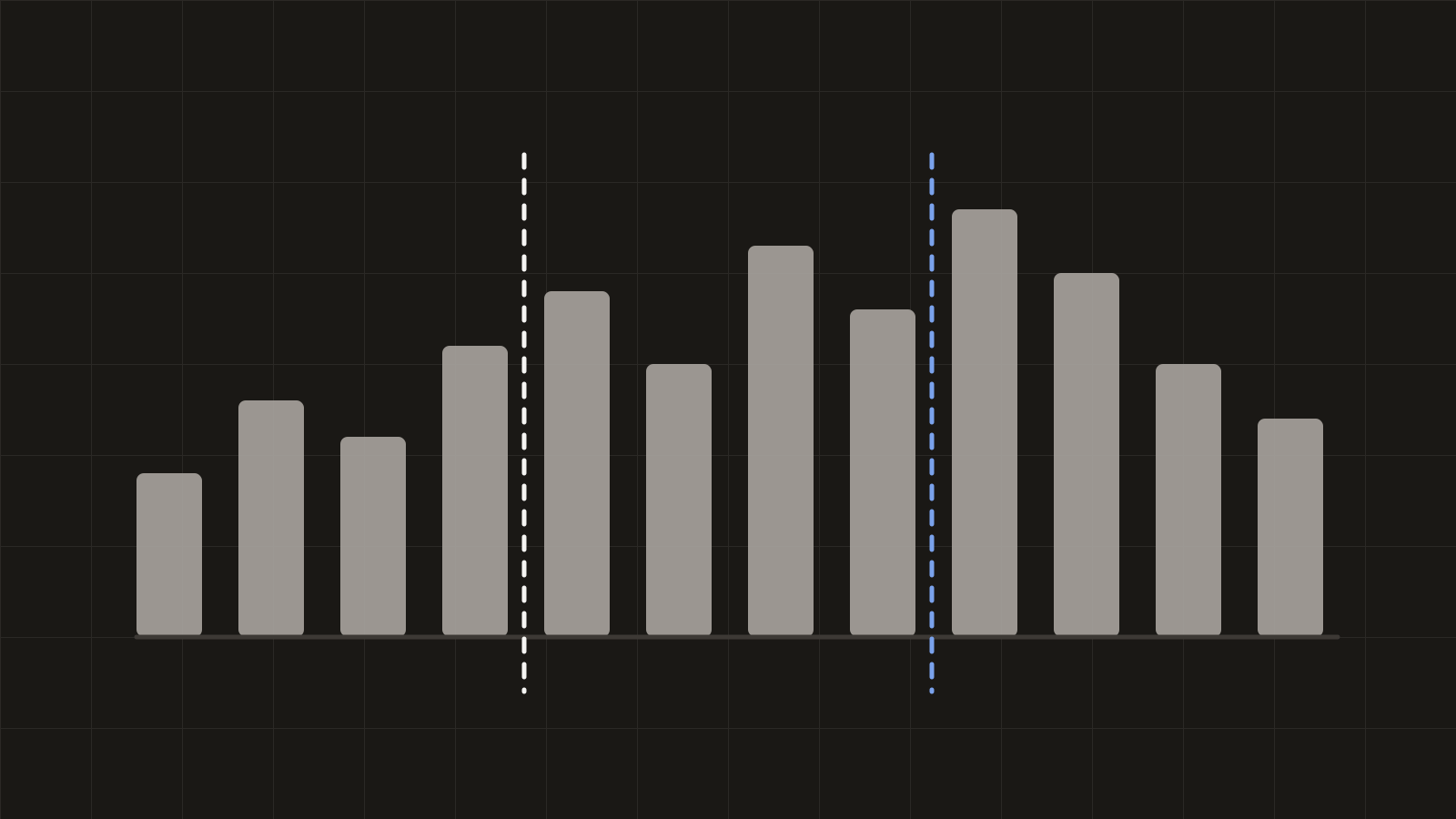
Unemployment, poverty, migration: in each case, the definitional choice — not the data collection — often determines the headline.

Insight
Open publication makes verification and reuse possible — but openness alone guarantees neither quality nor privacy nor use.