Explainer
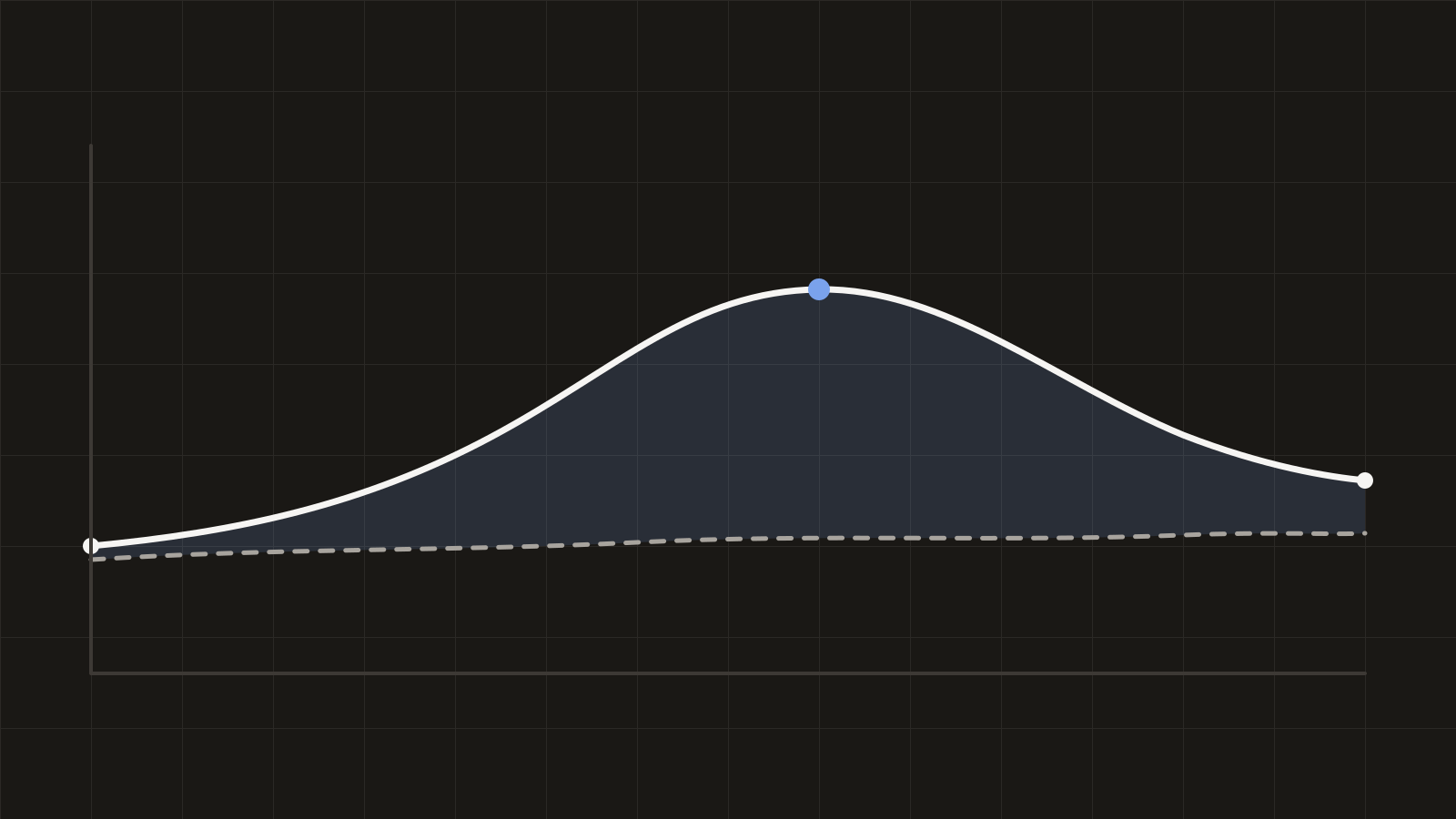
Excess Mortality: What It Measures and Why It Matters
How excess mortality is defined and estimated, what it revealed during the COVID-19 pandemic and major heatwaves, and how to read the figures without being misled.
Publications
Everything the Institute publishes follows the same standard: named, checkable sources; explicit definitions; stated scope and limitations; and a stable, citable address. Publications come in four formats — jump to explainers, primers or reviews — or read about how this work is produced.
What a concept, measure or system is, how it works, and how to read claims about it.
Explainer
How excess mortality is defined and estimated, what it revealed during the COVID-19 pandemic and major heatwaves, and how to read the figures without being misled.

Explainer
The four classic models of health system financing, which countries use them, why every real system is a hybrid, and what the labels do and do not explain.

Explainer
Where the idea came from, what counts as evidence, the institutions built around it, and the honest limits of letting evidence guide public decisions.
Structured introductions to a whole subject, written for readers starting from zero.
Primer
Why randomisation is the cleanest route to causal claims, the landmark policy trials that proved the method’s worth, and the questions RCTs cannot answer.

Primer
Why populations are ageing, how ageing is measured, what it means for pensions, health care and labour markets — and what policy can and cannot change.
Assessments of the measurement landscape on a question: the sources, what is robust, and what is not.
Review
A review of the major surveys that measure trust in government, media and science, the findings that hold up across sources, and the methodological traps that produce misleading headlines.