Explainer
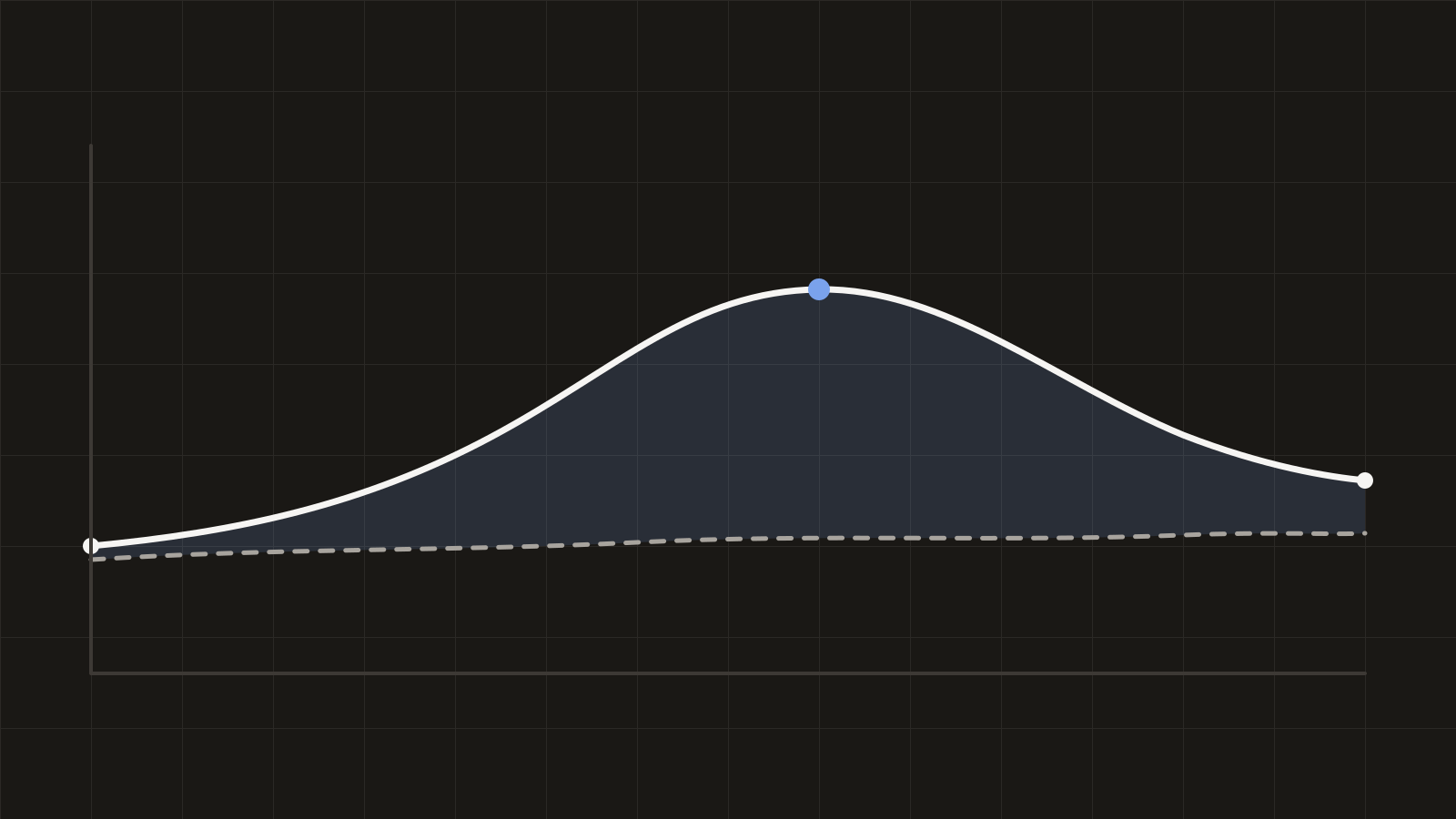
Excess Mortality: What It Measures and Why It Matters
How excess mortality is defined and estimated, what it revealed during the COVID-19 pandemic and major heatwaves, and how to read the figures without being misled.
Focus area 01
Public health and health systems research examines how countries organise, finance, and deliver health care, and how population health is measured and compared — including indicators such as life expectancy, excess mortality, and coverage of essential services.
Health systems differ widely in how they raise money, pool risk, and pay providers, yet they are frequently compared with single headline numbers. This programme of work explains the major system models, the indicators used to compare them, and the caveats that responsible comparisons require.
Our emphasis is on measurement: what statistics such as life expectancy, excess mortality, and universal health coverage actually capture, how they are produced, and where they can mislead.
Explainer
How excess mortality is defined and estimated, what it revealed during the COVID-19 pandemic and major heatwaves, and how to read the figures without being misled.
Primer
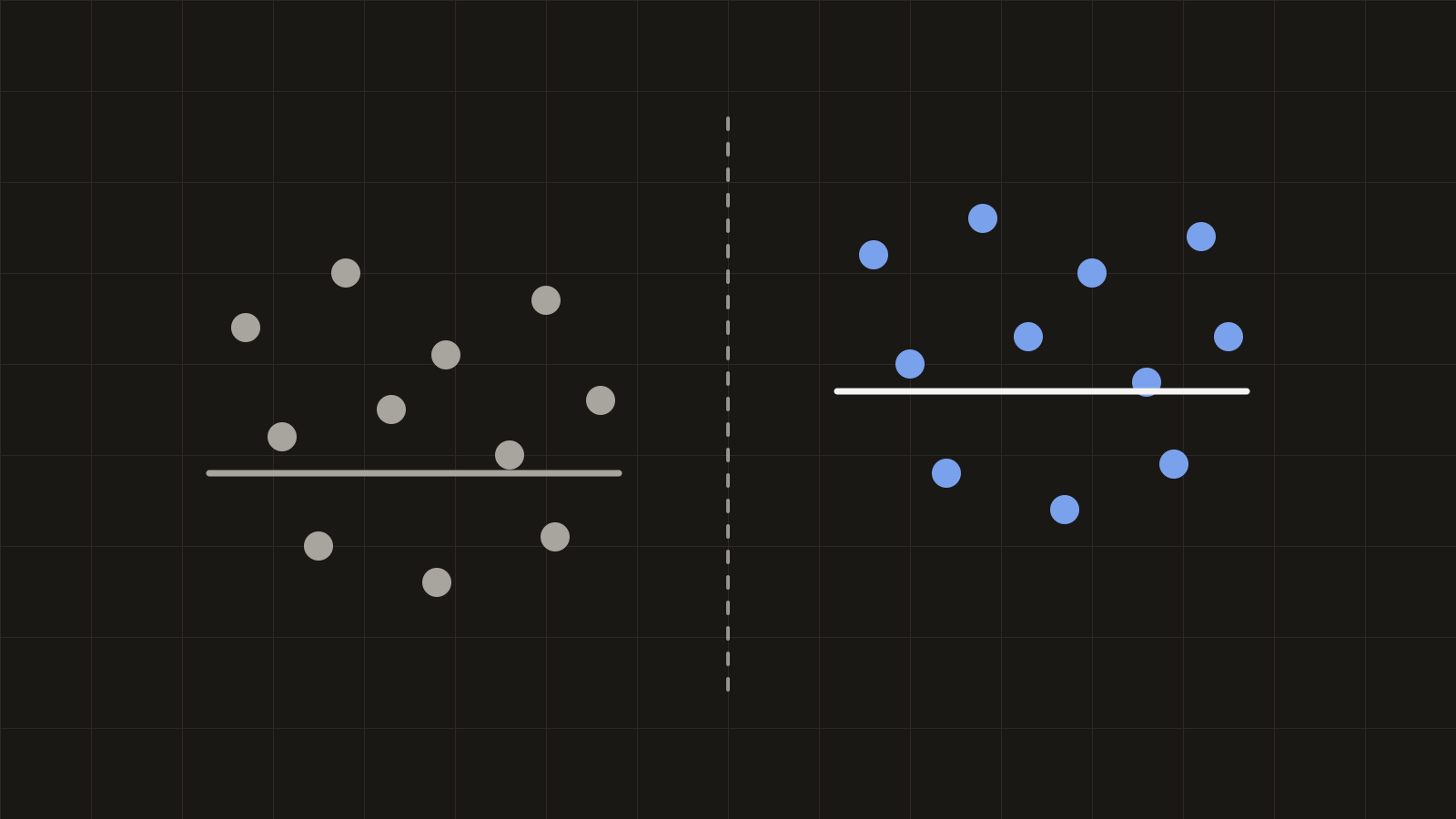
Why randomisation is the cleanest route to causal claims, the landmark policy trials that proved the method’s worth, and the questions RCTs cannot answer.

Explainer
The four classic models of health system financing, which countries use them, why every real system is a hybrid, and what the labels do and do not explain.